
The last two decades revolutionarized the science of DNA, forensics and technology, especially as it applies to investigation of crime. It is safe to assume that the innocence movement rode on the back of science to drive home the grave injustices wrought by the justice system. But there are pitfalls. As the science develpoed exponentially, it became a field open to all manner of experts; in some cases, trials where won and lost on the back of the ‘battle of experts’. Thanks in part to newer technology and scientific discoveries, we now know better to be wary of expertise that scatch the surface.
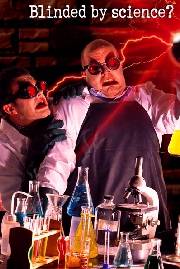
In the March 2009 study carried out by Prof. Brandon Garrett and Peter Neufeld and published in the Virginia Law Review, they concluded that, in 60 percent of those wrongful conviction cases, forensic analyst gave ‘invalid testimony that overstated the evidence’. Invalid, he asserts, meant that the testimony was unscientific or contrary to empirical data. ‘Just because a wrong statistics was offered, does not mean that the testimony neccessarily caused the wrongful conviction. However, these powerful examples supports efforts to adopt and enforce scientific standards governing forensic reporting and testimony’










 Wrongful Convictions Blog
Daniel,
I can attest to the fact that there a lot of so-called “experts” out there who are really not capable. Primary among these would be “polygraph examiners”, but there are also problems in ballistics, fingerprints, hair and fiber, blood spatter, arson, and on and on.
Phil
Thanks Phil. It’s our duty to adopt a ‘contrarian approach’ to investigation, prosecution and as attorneys. To always test and re-test every ‘spirit’