 The Wits Justice Project at Witswatersrand University in Johannesburg formed in 2008, modeled on the Innocence Projects the U.S. The Project is based in the journalism school at Wits U., thus is similar in nature to the projects at Northwestern (Medill Innocence Project) and the Innocence Institute of Point Park University.
I visited the Wits Justice Project in 2010 and learned a lot about their set-up and the unique challenges they face in South Africa. Their operations are impressive. They have a larger staff, infrastructure and office space than most projects in the U.S. and U.K. And they are aggressive and do good work, having already obtained freedom for 2 clients and held a major conference to raise awareness in South Africa. This article, entitled Crusaders for the Innocent, gives a good overview of the program.

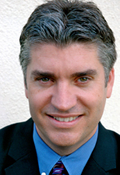
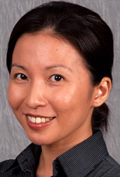
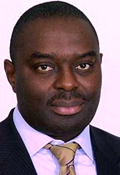
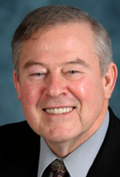
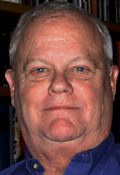
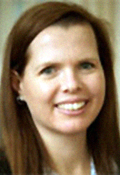
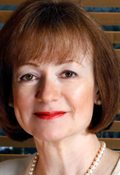
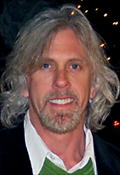
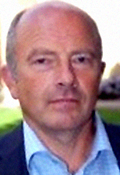
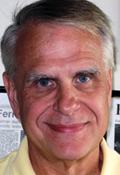
Me, Michele Berry-Godsey, Jeremy Gordin and other members of the Wits Justice Project
Fighting for the innocent in South Africa includes a unique facet that doesn’t exist in many other legal systems. WJP summarizes the problem as follows:
In its 2010/2011 Annual Report3, the Judicial Inspectorate for Correctional Services gave the number of inmates in the country as 160,545. Of these, 47,880 (30%) are remand detainees and have been behind bars, some for years, waiting for their trials to begin or reach conclusion. Yet approximately 2 in 5 of these inmates will eventually be acquitted. This means that a staggering number of innocent people are being deprived of their freedom
The Wits Justice Project_2012 Annual Plan is quite ambitious, and includes production of a documentary television series to raise awareness in South Africa of wrongful conviction and lengthy pretrial detention of the innocent.
In January, famed journalist and former director Jeremy Gordin left the project and was replaced by Nooshin Erfani-Ghadimi. Before joining WJP as project coordinator, Nooshin was the humanitarian diplomacy senior officer of the International Federation of Red Cross Red Crescent Societies, working in the 49 sub-Saharan African countries.
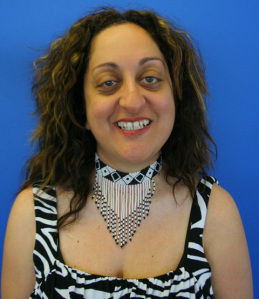
Nooshin Erfani-Ghadimi, WJP project coordinator
The rest of the WJP team, and their biographies, can be found here.
Like this:
Like Loading...