Daily Archives: September 4, 2012

About Bite Mark Evidence - Forensic Odontology

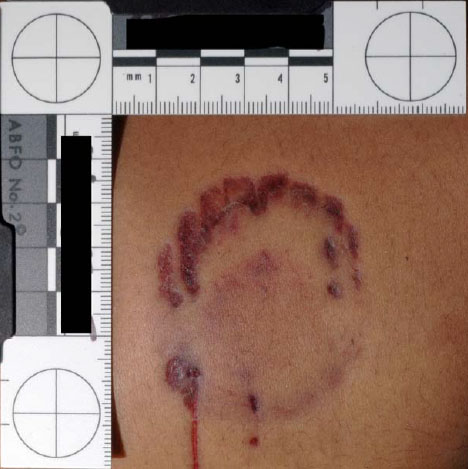
The most famous bite mark case in the US, and perhaps the world, is that of serial killer Ted Bundy. On Jan. 15, 1978, Bundy broke into the Chi Omega sorority on the Florida State University campus, assaulting and killing three women. During the crime, Bundy left a bite mark on the buttocks of Lisa Levy, whom he raped and killed. It was this bite mark that was primarily responsible for his conviction. He was executed in Florida’s electric chair on Jan. 24, 1989. Shortly before his execution, he confessed to 30 other murders in seven states, but it is believed that he may have been responsible for as many as 100 deaths.

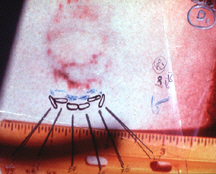
Here are photos of the bite mark on Lisa Levy’s buttocks, and the wax impresstion that was made of Bundy’s lower dentition:

Continue reading

Tuesday’s Quick Clicks…

  • A judge overturned the conviction of Noe Moreno, a client of the Duke Law Wrongful Convictions Clinic who had been incarcerated since 2006, on Aug. 31. North Carolina Superior Court Judge Richard Boner vacated Moreno’s conviction and ordered charges against him dismissed, based on evidence of his innocence developed by students and presented by Theresa Newman ’88, co-director of the clinic, and David Pishko ’77, who worked pro bono on the case. Details here
  • Judge in Texas grants DNA testing to 4 inmates convicted of rape and murder in 1992
  • More on New Zealand exoneree David Bain’s bid for state compensation here and here
  • Utah Supreme Court to hear state’s appeal for exoneration of Debra Brown, client of Rocky Mountain Innocence Center
  • A district judge has ruled that a Dallas area man wrongfully imprisoned for more than two dozen years must pay his ex-wife a share of any compensation the state gives him. The Dallas Morning News reports that Steven Charles Phillips was cleared in 2008 of a string of sex crimes committed by another man in the 1980s. He spent more than two dozen years in prison. Phillips and his wife, Traci Tucker, divorced in 1991. She sued him after his release, arguing that she too had suffered when he was wrongfully imprisoned. Judge Lori Hockett on Friday ruled that Tucker was due $114,000 in lost wages and an additional $39,000 for attorneys’ fees and expenses.

More Habeas Hypocrisy…

As the article below discusses, the California Supreme Court last week issued a decision putting strict page limits on habeas briefs. What is ironic to me, however, is that courts have created the situation where attorneys feel they must file ridiculously thick briefs due to all the strict procedural rules created by courts aimed at causing habeas petitioners to default claims for not properly raising or exhausting them. At the Ohio Innocence Project, we’ve learned through experience that we even have to raise issues that we feel are not supported by the evidence (and possibly subject to Rule 11 sanctions), just to keep the courts from later ruling that we have not properly preserved issues (see story here).

From Law.com:

SAN FRANCISCO — Frustrated by 500-page briefs in capital habeas corpuscases, the California Supreme Court issued its own 120-page ruling Thursday laying out strict new limits and warning of sanctions if they’re not followed.

The court harshly criticized the defense lawyers in In re Reno, 12 C.D.O.S. 10049, labeling various portions of their petition “untimely,” “improper,” “patently meritless,” “grossly misleading” and based on “stock justifications.” But it stopped short of issuing sanctions, as it had threatened to do beforeargument in the case, which had caused a storm in the capital defense bar. Instead, the court cautioned that violating its new rules, which include a 50-page limit on successive habeas petitions, could lead to sanctions and State Bar discipline in the future.

Abusive habeas petitions “along with other factors have created a significant threat to our capacity to timely and fairly adjudicate such matters,” Justice Continue reading