
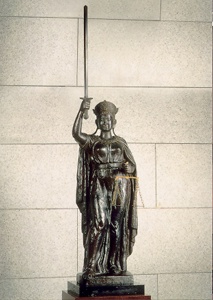
Lady Justice, in the Supreme Court of Japan
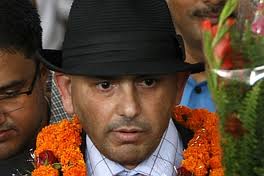
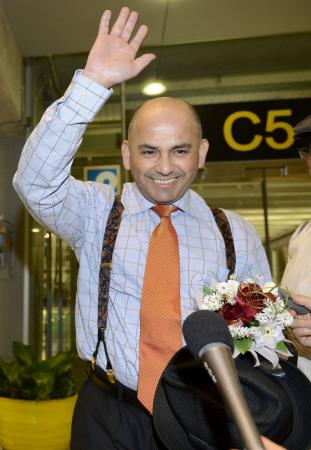
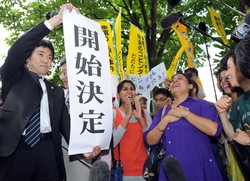
As I posted on Thursday, there was a decision by the Tokyo High Court to grant a retrial to Govinda Mainali. The High Court also ordered his release. He was finally released after 15 years of confinement. Since he has a conviction for visa violations, he is placed in immigration custody, and will be sent back home to Nepal, to his family.
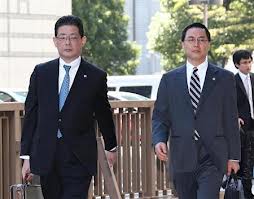
However, the Tokyo High Public Prosecutor’s Office immediately filed an objection to the High Court. Even if the Court denies the objection, they can still file an appeal to the Supreme Court. Deputy chief prosecutor of the Tokyo High Public Prosecutor’s Office was quoted as saying that the Court’s decision to grant Mainali a retrial was “absolutely unacceptable”.
Meanwhile, Asahi Shimbun news reported on June 3rd that the Supreme Public Prosecutor’s Office will be holding the first meeting ever with the public prosecutors who deal with postconviction claims of innocence. They are apparently alarmed about the relatively high number of recent court decisions to retry cases. Of the eleven decisions (in death penalty or life sentence cases) to grant a retrial since the end of WWII, five were handed down after 2009 (decisions in Ashikaga, Fukawa, Fukui, Higashi Sumiyoshi, and Mainali cases. Note that four of these involve false confessions).
The court decisions in these cases were made possible in part by the state-of-the-art DNA testing. As the exonerations all over the world have made it clear, DNA is a strong tool to prove innocence of the wrongfully convicted.
However an exoneration means the police and prosecutors who investigated, prosecuted, and helped to convict an innocent person will be criticized by the public. Thus, it was reported that the prosecutors are worried that these decisions to retry cases “will undermine the public’s trust to the investigation process, and therefore worrisome from the standpoint of public safety”. An executive prosecutor said that they “will do their best to battle these retrial claims by developping prosecution’s scientific knowledge.”
If the prosecutors truly believe what they said in these media reports, it is an evidence that the public prosecutors are worried more about “winning” postconviction cases than finding out the truth. Continue reading →














 Wrongful Convictions Blog