
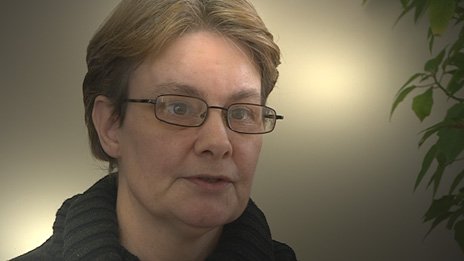
 The fallout from the infamous ‘Cardiff 3’ miscarriage of justice in Wales continues. After the collapse of the trial against eight police officers when vital evidence went ‘missing’ before being found later, the witnesses in the original trial who have since been convited of perjury, now want their convictions overturned as they too were ‘victims’. see BBC story here:
Blog Editor

Mark Godsey
Daniel P. & Judith L. Carmichael Professor of Law, University of Cincinnati College of Law; Director, Center for the Global Study of Wrongful Conviction; Director, Rosenthal Institute for Justice/Ohio Innocence Project Order Here
Contributing Editors
Justin Brooks
Professor, California Western School of Law; Director, California Innocence ProjectOrder his book Wrongful Convictions Cases & Materials 2d ed. here
Cheah Wui Ling
Assistant Professor, Faculty of Law, National University of Singapore
Daniel Ehighalua
Nigerian Barrister
Jessica S. Henry
Associate Professor of Justice Studies, Montclair University
Carey D. Hoffman
Director of Digital Communications, Ohio Innocence Project@OIPCommunicati1
Shiyuan Huang
Associate Professor, Shandong University Law School; Visiting Scholar, University of Cincinnati College of Law
C Ronald Huff
Professor of Criminology, Law & Society and Sociology, University of California-Irvine
Phil Locke
Science and Technology Advisor, Ohio Innocence Project and Duke Law Wrongful Convictions Clinic
Dr. Carole McCartney
Reader in Law, Faculty of Business and Law, Northumbria University
Nancy Petro
Author and Advocate Order her book False Justice here
Kana Sasakura
Professor, Faculty of Law, Konan University Innocence Project Japan
Dr. Robert Schehr
Professor, Department of Criminology & Criminal Justice, Northern Arizona University; Executive Director, Arizona Innocence Project
Ulf Stridbeck
Professor of Law, Faculty of Law, University of Oslo, Norway
Martin Yant
Author and Private Investigator Order his book Presumed Guilty here-

 Wrongful Convictions Blog
Bullying is a serious and persistent issue in our schools today. Research shows that at least 30% of children are involved in school bullying as bully, victim, or bystander. Bullying can be defined as repeated exposure to negative actions by one or more persons, with the victim having difficulty defending himself. Bullying is aggressive, unwanted, involves a repetitive pattern of behavior and an imbalance of power. It can be verbal, physical, indirect (rumors, gossip), exclusive (leaving someone out) in nature and the bully may take property.