
Senior forensic scientists in New South Wales, Australia, are warning that the drastic cuts to the forensic science workforce in the cash-strapped state, will threaten justice. The workforce is being cut by almost a quarter, with police being asked to do primary collection of potential DNA. The State already has a significant backlog of cases where evidence remains to be tested. Claude Roux warns that with police submitting samples for testing, DNA may lose its context - a vital element in correctly interpreting DNA. Read more about the cuts here…
Blog Editor
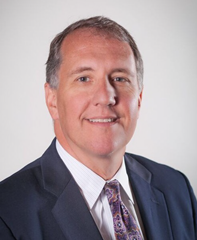
Mark Godsey
Daniel P. & Judith L. Carmichael Professor of Law, University of Cincinnati College of Law; Director, Center for the Global Study of Wrongful Conviction; Director, Rosenthal Institute for Justice/Ohio Innocence Project | Email | ProfileContributing Editors
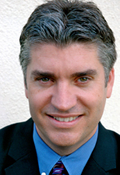
Justin Brooks
Professor, California Western School of Law; Director, California Innocence Project | Email
Cheah Wui Ling
Assistant Professor, Faculty of Law, National University of Singapore Email | Profile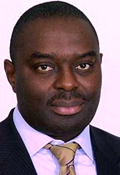
Daniel Ehighalua
Nigerian Barrister; Project Director, Innocence Project Nigeria Email
C Ronald Huff
Professor of Criminology, Law & Society and Sociology, University of California-Irvine Email | Profile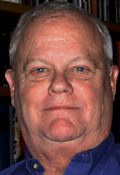
Phil Locke
Science and Technology Advisor, Ohio Innocence Project and Duke Law Wrongful Convictions Clinic Email
Dr. Carole McCartney
Reader in Law, Faculty of Business and Law, Northumbria University Email
Nancy Petro
Author and Advocate
Kana Sasakura
Associate Professor, Faculty of Law, Konan University; Visiting Scholar, University of Washington School of Law; Innocence Project Northwest (IPNW)
Dr. Robert Schehr
Professor, Department of Criminology & Criminal Justice, Northern Arizona University; Executive Director, Arizona Innocence Project Email | Profile
Shiyuan Huang
Associate Professor, Shandong University Law School; Visiting Scholar, University of Cincinnati College of Law Email | Profile
Ulf Stridbeck
Professor of Law, Faculty of Law, University of Oslo, Norway
Martin Yant
Author and Private Investigator Email | Profile-


As I see it, the problem is a two way street.
An innocent person could be convicted;
A guilty person could escape detection entirely.
Were I an LEO, I would not want the responsibility of collecting DNA that may convict or acquit a defendant unless I were adequately trained to do so.