
Great reporting by The Washington Post on flawed forensic evidence has prompted the U.S. Justice Department to review thousands of cases in search of possible wrongful convictions. The Post’s latest story is here.
Blog Editor
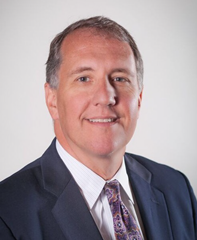
Mark Godsey
Daniel P. & Judith L. Carmichael Professor of Law, University of Cincinnati College of Law; Director, Center for the Global Study of Wrongful Conviction; Director, Rosenthal Institute for Justice/Ohio Innocence Project | Email | ProfileContributing Editors

Justin Brooks
Professor, California Western School of Law; Director, California Innocence Project | Email
Cheah Wui Ling
Assistant Professor, Faculty of Law, National University of Singapore Email | Profile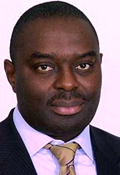
Daniel Ehighalua
Nigerian Barrister; Project Director, Innocence Project Nigeria Email
C Ronald Huff
Professor of Criminology, Law & Society and Sociology, University of California-Irvine Email | Profile
Phil Locke
Science and Technology Advisor, Ohio Innocence Project and Duke Law Wrongful Convictions Clinic Email
Dr. Carole McCartney
Reader in Law, Faculty of Business and Law, Northumbria University Email
Nancy Petro
Author and Advocate
Kana Sasakura
Associate Professor, Faculty of Law, Konan University; Visiting Scholar, University of Washington School of Law; Innocence Project Northwest (IPNW)
Dr. Robert Schehr
Professor, Department of Criminology & Criminal Justice, Northern Arizona University; Executive Director, Arizona Innocence Project Email | Profile
Shiyuan Huang
Associate Professor, Shandong University Law School; Visiting Scholar, University of Cincinnati College of Law Email | Profile
Ulf Stridbeck
Professor of Law, Faculty of Law, University of Oslo, Norway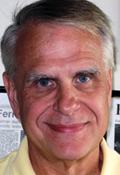
Martin Yant
Author and Private Investigator Email | Profile-


This story makes clear that law enforcement often has to be pulled in the right direction before it will do the right thing. Kirk Odom and Santae Tribble may now have some measure of justice, after years in prison. But it is disturbing that the DOJ resisted doing anything about the “thousands” of cases resting on weak hair and fiber evidence for so long, even though the science on this so-called science is clear. Instead we see a familiar pattern: law enforcement resists science, until it can no longer ignore because of public exposure and pressure.
David Harris, University of Pittsburgh School of Law
http://www.failedevidence.wordpress.com
Pingback: DOJ and FBI announce they will review thousands of convictions for flawed forensic evidence - Trial Theory - Myrtle Beach criminal defense lawyer Bobby G. Frederick