
- The Huffington Post: For The Wrongfully Convicted, Time Runs Short To Get Tax Relief…
- CNN: Sessions: Case of Central Park 5, later exonerated, shows Trump’s dedication to ‘law and order’…
- The San Diego Union-Tribune: Exonerated inmate’s fate still lies with immigration…
- Pacific Legal Foundation (blog by Ethan Blevins): Still presumed guilty after exoneration…
- Florida Times-Union: Under Melissa Nelson, Jacksonville’s prosecutors could search for wrongful convictions…
- Mississippi: Review set for compensation after wrongful conviction…
- CBS New York: Woman Says She’s Served 25 Years In Prison For Crime She Didn’t Commit…
- The Blade (editorial): Forensics’ weak convictions…
- Statesman Journal: Oregon Innocence Project requests new DNA tests for Salem man on death row…
- The Inquirer: Justice on hold: To Philly DA’s Conviction Review Unit, no one is innocent…
- Forensic Magazine (Houston Forensic Science Center press release): In a National First, HFSC Begins Blind Testing in DNA, Latent Prints…
- Austin American-Statesman: Was the conviction of a Central Texas man built on bad science, lies?…
- The Salt Lake Tribune: Exonerated Arizona man shows Utah lawmakers the human face of death row mistakes…
 Michael Hannon was accused of sexual assault by a 10 year old neighbour, in 1997. He was convicted and yet in 2006, his accuser came forward and retracted her statement, confessing that she had made a false allegation. Despite this, the Ministry of Justice ‘lost’ Hannon’s case files. It was not until 2009 that he was able to have his case certified as a miscarriage of justice. The Ministry and Hannon have now reached an out-of-court settlement after his claim for compensation went to the High Court. The case is a stark example of what can happen when police pursue allegations in spite of a total lack of evidence. This failure was compounded by incompetence on behalf of the prosecutors and Ministry of Justice staff who not only ‘lost’ his file for 15 months, but continued to protest against his case being declared a miscarriage of justice.
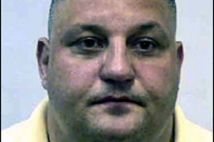 A man who spent six years in prison has successfully sued the England and Wales Crown Prosecution Service after their failure to disclose police surveillance tapes that proved his innocence. Wrongly convicted of perverting the course of justice in 2007 (after 2 failed trials), Conrad Jones was freed in 2014 when he won an appeal. He was on trial for bribing a witness in a murder trial, but police surveillance tapes proved he could not have been present. While the Judge at his appeal called the failure to disclose the exculpatory evidence ‘lamentable’, Jones’s solicitor said: “It is clear that the CPS and prosecution counsel had in their possession, both while my client remained on remand in prison awaiting trial and at the time of my client’s trial, surveillance material which showed he could not realistically have met with and bribed [the witness] not to give evidence. They knew it was relevant, they knew it undermined the prosecution case and strengthened Mr Jones’s defence and they knew that the law required them to disclose it. To discover years after the event that the CPS, on the advice of highly experienced lawyers, has knowingly and repeatedly failed to comply with the criminal law on disclosure is shocking, and raises very serious questions which go right to the heart of public confidence in the criminal justice system and the legal profession.”
 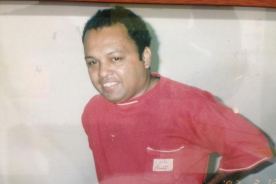 Australia is viewed by many as an idyllic continent, where people can feel safe, and the rule of law prevails. Yet despite being a first world nation, policing can often be outdated and primitive. The use of paid-informants, and the reliance upon supposed ‘jail-house’ confessions has been known to cause wrongful convictions for decades. Yet as recently as 2009, the police of New South Wales used a paid informant to secure a confession from a young vulnerable Sudanese refugee. This supposed confession was obtained while the young man believed the informant had been brought to him to offer support during questioning by the police.
Blog Editor

Mark Godsey
Daniel P. & Judith L. Carmichael Professor of Law, University of Cincinnati College of Law; Director, Center for the Global Study of Wrongful Conviction; Director, Rosenthal Institute for Justice/Ohio Innocence Project Order Here
Contributing Editors

Justin Brooks
Professor, California Western School of Law; Director, California Innocence ProjectOrder his book Wrongful Convictions Cases & Materials 2d ed. here
Cheah Wui Ling
Assistant Professor, Faculty of Law, National University of Singapore
Daniel Ehighalua
Nigerian Barrister
Jessica S. Henry
Associate Professor of Justice Studies, Montclair University
Carey D. Hoffman
Director of Digital Communications, Ohio Innocence Project@OIPCommunicati1
Shiyuan Huang
Associate Professor, Shandong University Law School; Visiting Scholar, University of Cincinnati College of Law
C Ronald Huff
Professor of Criminology, Law & Society and Sociology, University of California-Irvine
Phil Locke
Science and Technology Advisor, Ohio Innocence Project and Duke Law Wrongful Convictions Clinic
Dr. Carole McCartney
Reader in Law, Faculty of Business and Law, Northumbria University
Nancy Petro
Author and Advocate Order her book False Justice here
Kana Sasakura
Professor, Faculty of Law, Konan University Innocence Project Japan
Dr. Robert Schehr
Professor, Department of Criminology & Criminal Justice, Northern Arizona University; Executive Director, Arizona Innocence Project
Ulf Stridbeck
Professor of Law, Faculty of Law, University of Oslo, Norway
Martin Yant
Author and Private Investigator Order his book Presumed Guilty here-


 Wrongful Convictions Blog