
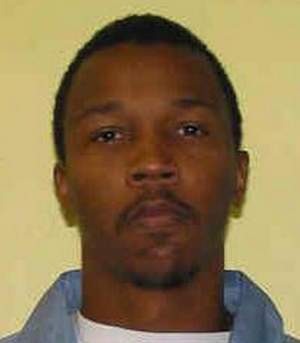
Brian Banks had the world in his hands. He was a star high school football player. Every major college program in the country wanted him to play for them. There was already talk of an NFL career. That all ended when he was falsely accused of rape. His lawyer told him to plea bargain even though there was no physical evidence of the crime. He was told that he might spend the rest of his life in prison even though the case was built on the shaky testimony of his alleged victim, a fellow high school student.
Brian took the deal and went to prison for several years. His scholarship disappeared, his dreams disappeared, but when he got out of prison he was determined to get those dreams back. Had he been convicted of any other crime, even a murder, he would have had an easier time, but convicted sex offenders are in a class all their own. The time is never served. For the rest of his life he would be on sex offender lists, the government would need to know where he lived, and he would have trouble getting jobs or coping with the relationship issues that come with explaining to your girlfriend that you were convicted of rape, you plead, but you were actually innocent.
All innocence projects are overwhelmed with work. Thus, as directors we must make tough decisions about what cases to take on. In reviewing cases, priority is often determined based on the punishment the potentially innocent person is facing. Death penalty cases have the highest priority. Life cases are just behind them. Cases with significant terms of years are third. Most of us never get to the cases where a client has been released. There are too few resources. The cases take too much time and too much money.
Sex offender cases should be treated differently than other cases. They are life sentences. Brian’s case is a reminder of what gets taken away when someone is falsely accused of rape. It is also a call for all projects to at least consider taking on these cases.



























 Wrongful Convictions Blog